01
Bespoke software
Systems designed around the client's operation rather than bent to fit a template — architecture, build, and handover documentation.
- Requirements & architecture
- Full-stack development
- Data & integrations


SWANDEX is a technology network with international presence. Based in Switzerland, its management and engineering build things worth keeping — software, mobile applications, electronics — and keep them running for years. Its own products put one idea into practice: technology should move attention back to the essential, not away from it.
New article A New Art: The Minute Repeater That Writes →The starting observation is plain. Screens are built to be held; attention is the raw material of most of what runs on them, and the addictions that follow have become an ordinary part of daily life. SWANDEX builds in the opposite direction: technology that marks time instead of consuming it, that restores the body instead of wearing it down, and that returns attention to what matters.
Two products carry that position. Carillon Repetition Minute brings the chime of a minute repeater to the phone — a sound that raises awareness of the hour, and a logbook that keeps the day on record without anything leaving the device. The robotic bed in development adapts its surface to the sleeper's posture and load: a contribution to wellbeing where it matters most, at rest.
SWANDEX is a network rather than a single firm: management and engineering in Switzerland, members and partners wherever the work calls for them, and a wider circle of people who follow and take part. The network sets the standards and curates every engagement; the same discipline is open to clients — bespoke software, mobile applications, electronics and the long-term maintenance that keeps them running.
Innovation, reliability and excellence in every layer — from the first sketch, whether of an architecture or a mechanism, to the tenth year of maintenance.
Software, mobile, embedded electronics and the technology management around them. Nothing is handed to a subcontractor the client never meets.
Systems designed around the client's operation rather than bent to fit a template — architecture, build, and handover documentation.
Native-quality apps for Android and iOS: visually considered, robust under load, and built to scale as the audience grows.
Proactive care for what already runs: scheduled updates, security hardening and performance optimisation.
Mechatronic products from concept to working prototype: mechanism, control boards, motor drives, sensing and embedded firmware.
The layer above the build: technology choices, patent strategy, suppliers, cost per unit and the route to industrialisation.
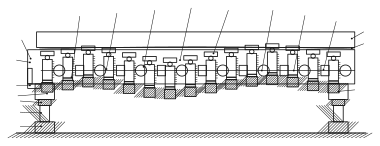
The network builds its own hardware as well as clients' software — which is why maintenance is never an afterthought. Updates, security hardening and performance work run on a schedule.
Discuss a project →Objectives, audience and operational constraints are mapped before a single line is written.
Two or three routes, each with its cost, its timeframe and its trade-offs stated plainly.
Short cycles with frequent demos. Client feedback is documented and answered in the next iteration.
Unit, integration and acceptance testing, automated checks and code review before anything ships.
Scheduled maintenance, monitoring and a contact who still remembers why the system is built that way.
Management of Technology is the discipline of carrying an invention across every boundary it has to cross: the physics, the patent, the electronics, the firmware, the supplier, the certification, the cost per unit. It is practised on the network's own product before being offered to anyone else.
The current programme is a robotic bed: a sleep surface carried by an array of independently actuated segments, each driven by its own motor and sensed in real time, so the support adapts continuously to posture and load instead of holding one fixed shape. The mechanical architecture is filed as a patent; the control electronics, motor drivers, sensing and embedded software are developed in-house, end to end.
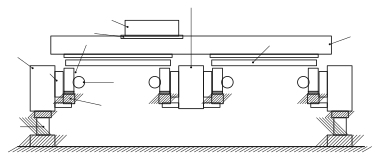
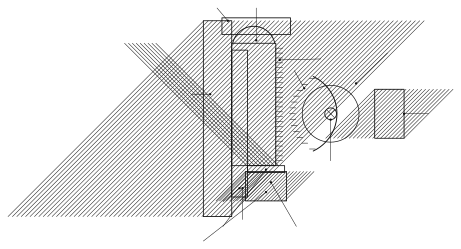
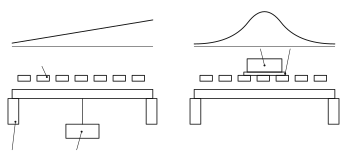
Taking a physical product from concept to prototype follows the same programme — mechanism, electronics, firmware, IP and the plan to industrialise it — and it is open to clients.
Talk about your product →
Get the minute repeater with a $300K sound and keep the watch you wear. No fragile case. No imposed dress code. Just the chime.
Try it here, then get it on your phone
Free to use, no expiry · optional $6.99 unlock, once · no subscription
The thinking behind the app's quarter-hour logbook, first published on X — each article with its full references and a PDF.
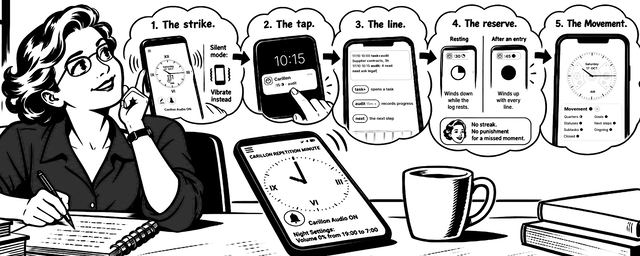 · 6 min read
A New Art: The Minute Repeater That Writes
Two crafts that shaped watchmaking, the watch that strikes and the automaton that writes, finally meet in one gesture.
 · 6 min read
Fifteen Minutes, One Line
It isn't the chime that builds the habit. It's what one tap opens. The previous article, Before They Changed the World, They Wrote It Down, followed the notebooks of people who changed the world.…
 · 7 min read
Hyperfocus Is a Gift. A Logbook Gives It Direction.
Deep concentration can produce extraordinary work and quietly erase the day around it. A practical method, one spoken sentence per quarter-hour, keeps both.
A message on X with a few words about the project, the timeframe and what success looks like reaches someone who will actually work on it.